Roanoke, VA · landscape bed maintenance

Most of what makes a property look neglected happens in the beds.

Mowing crews move fast. Landscapers take on bigger projects. Nobody handles the careful detail work inside the beds — the weeding, edging, cleaning, and correction that keeps a maintained property from looking forgotten. RLD pairs that hands-on work with AI-assisted photo estimates, review tools, and before/after records.

Roanoke's Landscape Detail
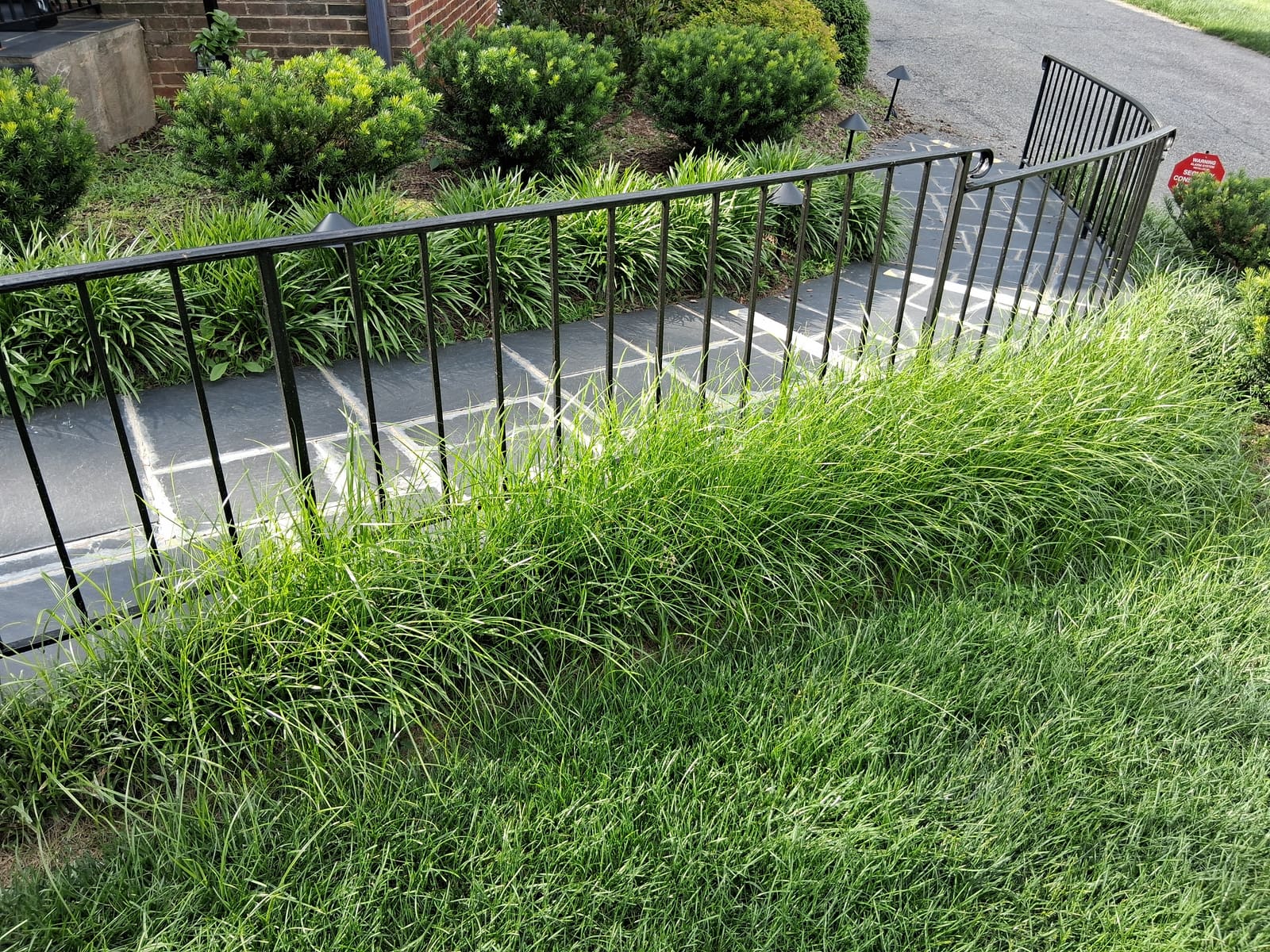
Landscape bed before cleaning
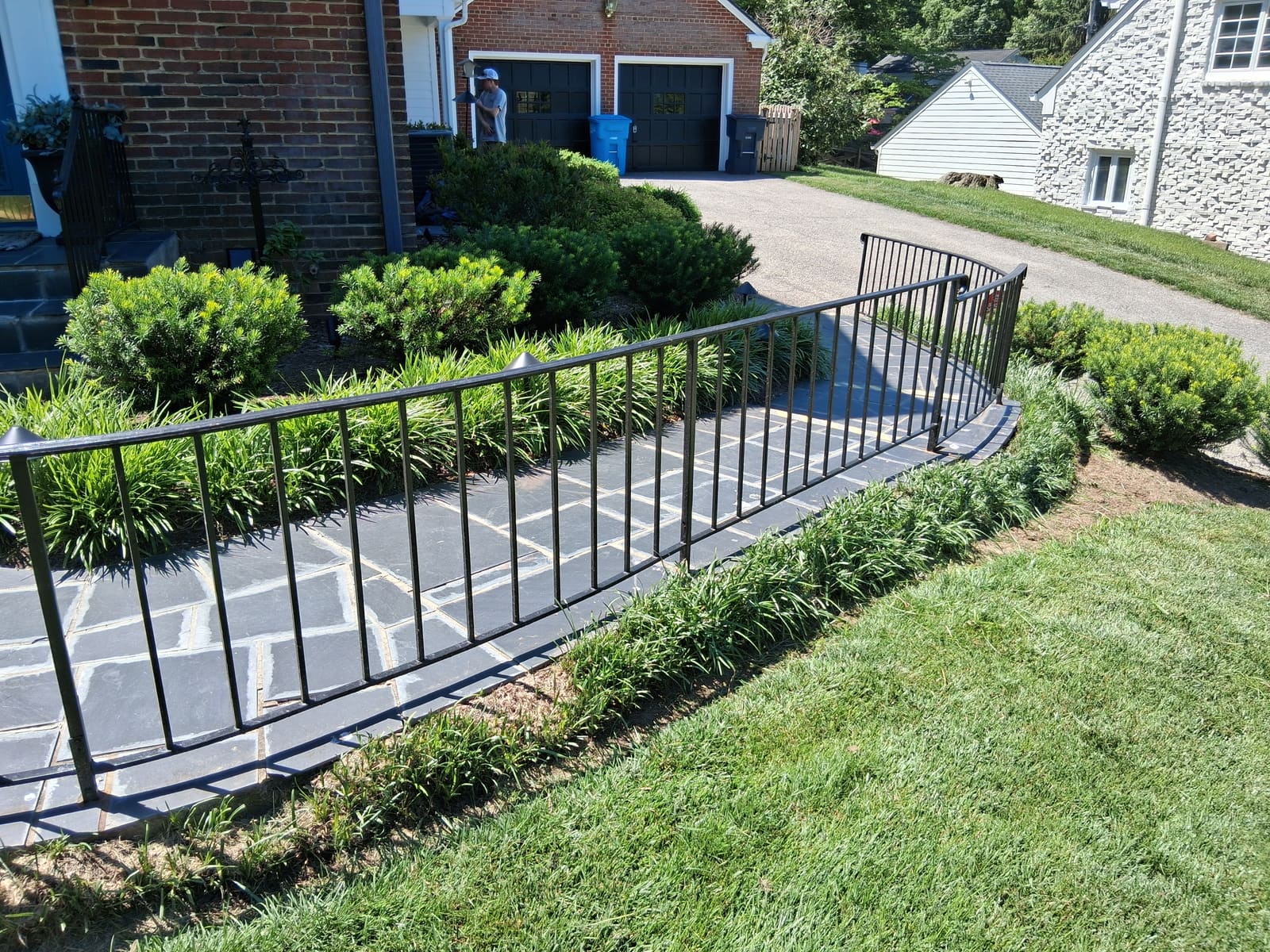
Landscape bed after cleaning
Before After
Drag to compare · real Roanoke property

The work nobody else handles

Your mower cuts the lawn. Your landscaper handles the big projects. Neither one is touching the beds.

Weeds come back. Grass pushes into the mulch. Bed edges blur. Debris settles in. Plants get buried under volunteer growth. It happens on every property — and it has nothing to do with how well the lawn is maintained.

It gets left behind because it’s too slow for a mowing crew and too small for a landscape company. Roanoke’s Landscape Detail does exactly that work — carefully, thoroughly, and with the kind of attention that makes the difference between a property that looks maintained and one that just looks mowed.

We doweed removal, bed detailing, bed definition, mulch correction, photo estimates, and service records.
We do notmowing, redesign, new mulch installation, new plants, pruning, tree work, hardscape, drainage, or lawn maintenance.

How it works

Upload photos. Get a price. Schedule the work.

No site visits, no back-and-forth. Send photos of the beds and get a detailed fixed-price estimate before committing to anything.

Photo analysis

Understand what the beds need before scheduling work.

Photo analysis helps identify visible conditions, weed pressure, bed definition issues, and maintenance priorities before a restoration estimate is approved.

Sample Report Landscape Condition Assessment
Moderate deterioration — beds functional but visually declining
High — weed pressure increasing, edge definition lost
Below standard — visible from street, affecting curb appeal
Property Summary
Observed Conditions
Priority Issues
Recommended Actions
Estimated Effort
Future Improvement Opportunities
Start photo analysis →

Choose the problem you recognize

Where is the property starting to look unfinished?

Start with the visible problem, not a package. Each property is different, so the goal is to identify what is breaking down and estimate from photos before scheduling.

Current need

Stop the beds from making the property look unfinished.

This is for mulch beds, foundation beds, entry beds, and visible problem areas where weeds, grass, and soft edges are starting to undo the maintained look of the property.

Get a free estimate →

Why it matters

Pulling weeds is the start. Making it look right is the work.

Most services stop at weed removal. What they leave behind still looks off — grass along the edges, debris in the mulch, plants crowded out by volunteer growth, bed lines that have gone soft.

The detail work is what closes the gap between “the weeds are gone” and “this property looks cared for.” It’s slower, more precise, and most crews won’t do it.

That precision is the entire point of RLD.

What we do

Careful work that reveals the landscape you already have.

Every property already has a landscape. Existing plants, established beds, intentional design — all of it gets buried under weeds, softened edges, blown-in debris, and years of being overlooked. RLD brings it back without changing what’s there.

Weed removal
Bed detailing
Bed definition
Mulch correction

Weed Removal

Not all weeds are the same, and not all of them come out the same way. Shallow-rooted annuals pull cleanly by hand. Deep-rooted perennials like dandelions and thistle need a tool to get the taproot — otherwise they’re back in two weeks. Grass that has crept into the bed from the edges requires a different approach than clumping weeds in the middle of a mulch bed.

We work through the bed methodically — hand pulling, hand tools, and string trimming where appropriate. The focus is on getting the root, not just the top. Fast weed removal that leaves root systems in the ground isn’t weed removal. It’s delay.

Volunteer saplings, vines, and ground cover that has pushed into areas it doesn’t belong are also addressed as part of this work.

We do not use blanket chemical treatments as a standard approach. Targeted treatment is used selectively where it makes sense for the specific conditions.

Bed Detailing

This is the service most people can’t name but immediately notice when it’s been done. After the weeds are out, the bed still needs work before it looks right.

Bed detailing includes cleaning debris, clippings, and leaf matter out of the mulch surface. It includes cleaning around the base of existing plants — removing the buildup that accumulates at the crown over time. It includes uncovering ornamental plants that have been partially buried or visually lost under surrounding growth. It includes straightening and correcting the surface of the bed so it reads as intentional rather than incidental.

A mowing crew blows clippings toward the beds. A landscaper isn’t on site long enough to address it. The result is a gradual accumulation of debris and disorder that makes the beds look worse every season. Bed detailing reverses that.

This work takes time. It is done by hand, close to the ground, around existing plants. It is not something that can be done quickly without missing most of it.

Bed Definition

Every landscape bed has an edge — the line where the mulch ends and the lawn begins. Over time, that line disappears. Grass creeps into the bed from the lawn side. Mower blowback pushes soil and debris inward. The bed edge softens, blurs, and eventually becomes invisible.

When bed definition is gone, even a clean bed looks unfinished. Restoring it is one of the highest-visibility improvements that can be made to a property without changing anything else.

Bed definition uses a flat spade or half-moon edger to recut the line between lawn and bed — creating a clean, vertical drop that separates the two clearly. The removed material is cleaned up as part of the work.

Bed definition is included where the bed edge exists and has softened. We do not create new beds or significantly alter existing bed shapes. This is restoration of what was already there.

Mulch Correction

Existing mulch breaks down over time, gets moved around by rain and foot traffic, and compacts into a surface that stops doing what mulch is supposed to do. Mowers pile it against plant crowns. Gravity pulls it to the low end of a slope. Foot traffic compacts it flat. Over a season or two it stops looking like mulch and starts looking like old dirt.

Mulch correction works the existing material back into a functional, uniform layer. This includes breaking up compaction, redistributing mulch that has migrated to the edges or low spots, and pulling it back from plant crowns and trunk bases where it has piled up. Mulch sitting against a trunk or crown traps moisture and can cause long-term plant damage — correcting this is part of the work, not optional.

The result often looks like new mulch was installed. In most cases it wasn’t — the existing material was simply restored and redistributed correctly.

Mulch correction works with the existing material. New mulch installation is a separate service that RLD does not provide. If the existing mulch has fully decomposed or is insufficient, that will be noted in the estimate.

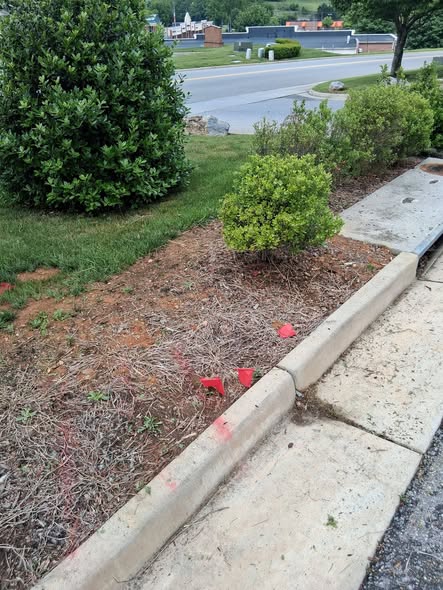
We stay in the beds.

No hauling. No installations. No redesigns. No lawn work. Everything we do is focused on the detail work inside existing landscape beds — and doing it well.

Right fit

For properties that are maintained but the beds still look off.

  • Your lawn is mowed but the beds are a mess
  • Weeds keep coming back after every service
  • Grass has pushed into the mulch along the edges
  • The bed lines have gone soft and undefined
  • Debris and blown clippings have settled into the mulch
  • Existing plants are getting buried or crowded out
  • You want the detail work done carefully, not quickly

Not the right fit

This isn’t general yard labor.

RLD focuses specifically on bed restoration and maintenance. If you need something outside that scope, it’s worth knowing upfront.

  • Concept renderings
  • Landscape redesigns
  • Planting plans
  • Future improvement visualization

These services are separate from Roanoke's Landscape Detail.

AI-assisted operating tools

The work is physical. The estimate system is structured.

RLD uses AI to organize photos, draft scope, flag uncertainty, prepare review notes, and turn completed work into records. Michael still reviews and approves the final price before work is scheduled.

01

Photo estimate engine

Customer photos become a draft scope with visible conditions, estimated labor, confidence level, and exclusions.

02

Human review queue

The admin dashboard lets the estimate be corrected, approved, rejected, or converted into a scheduled job.

03

Before/after proof builder

Completed jobs can become clean branded cards for follow-up, social proof, and a growing portfolio.

04

Training feedback loop

Actual hours, missed conditions, completion photos, and corrections can be exported as learning records.

Photo proof

Better photos create better estimates.

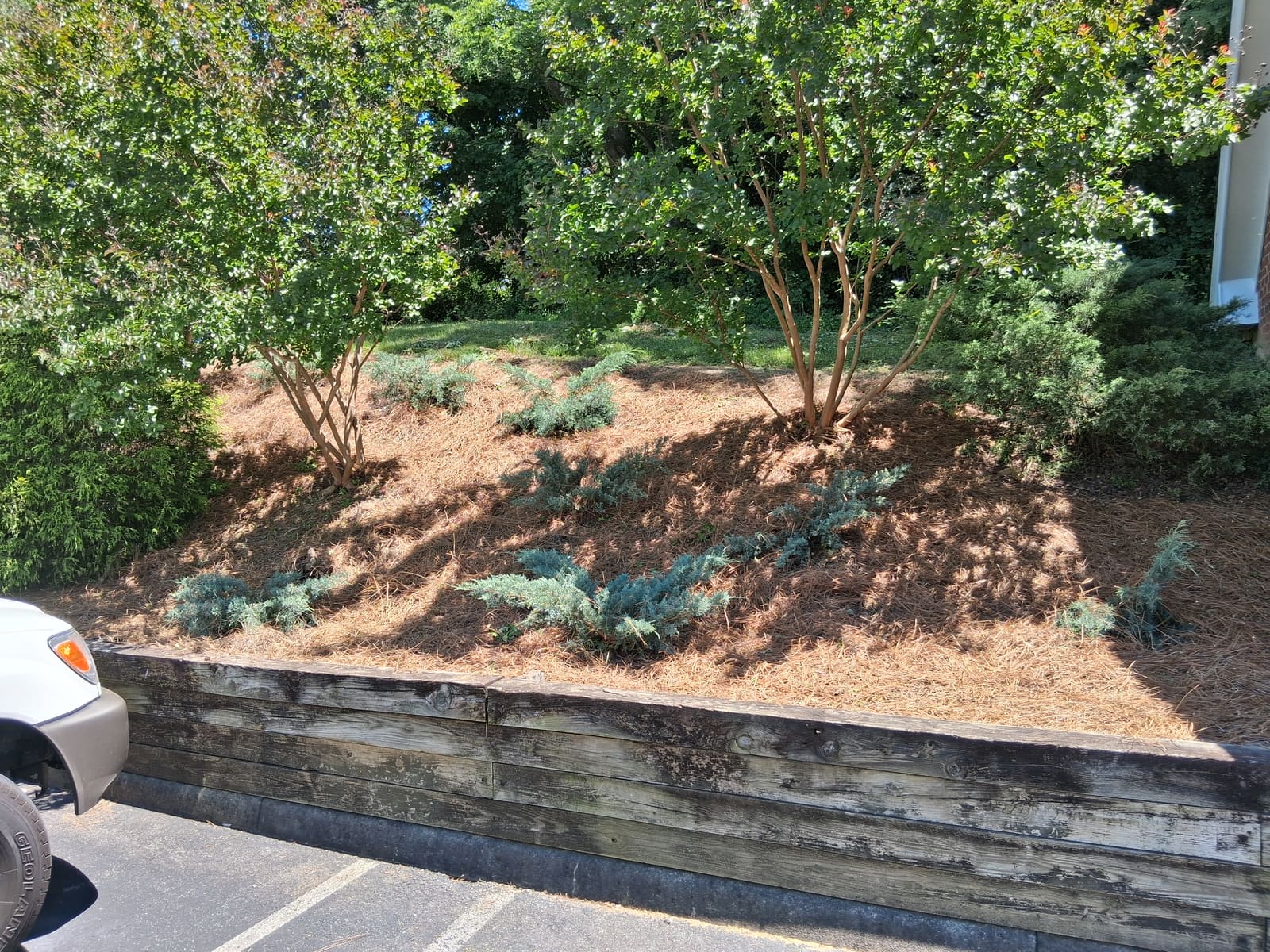
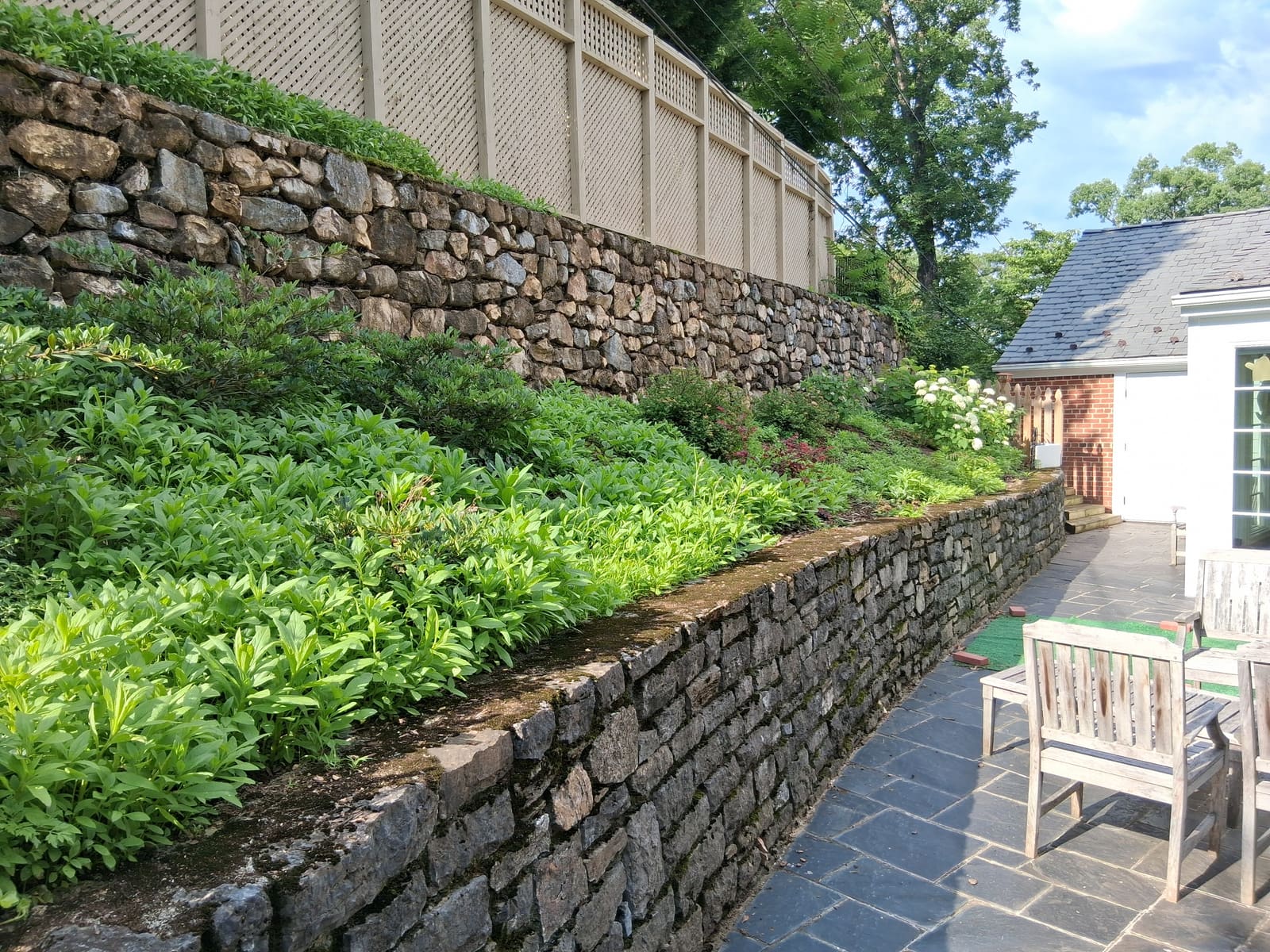
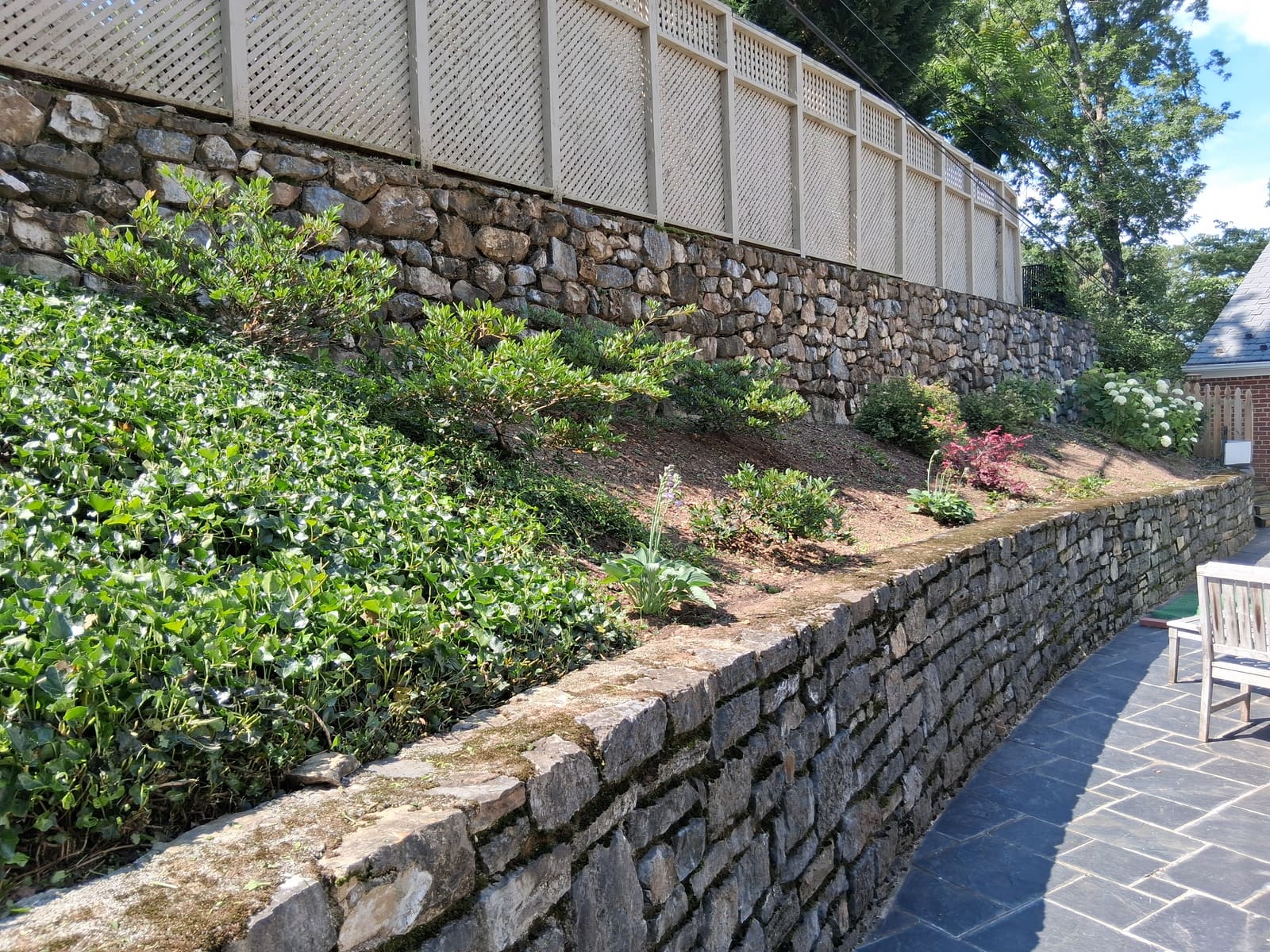
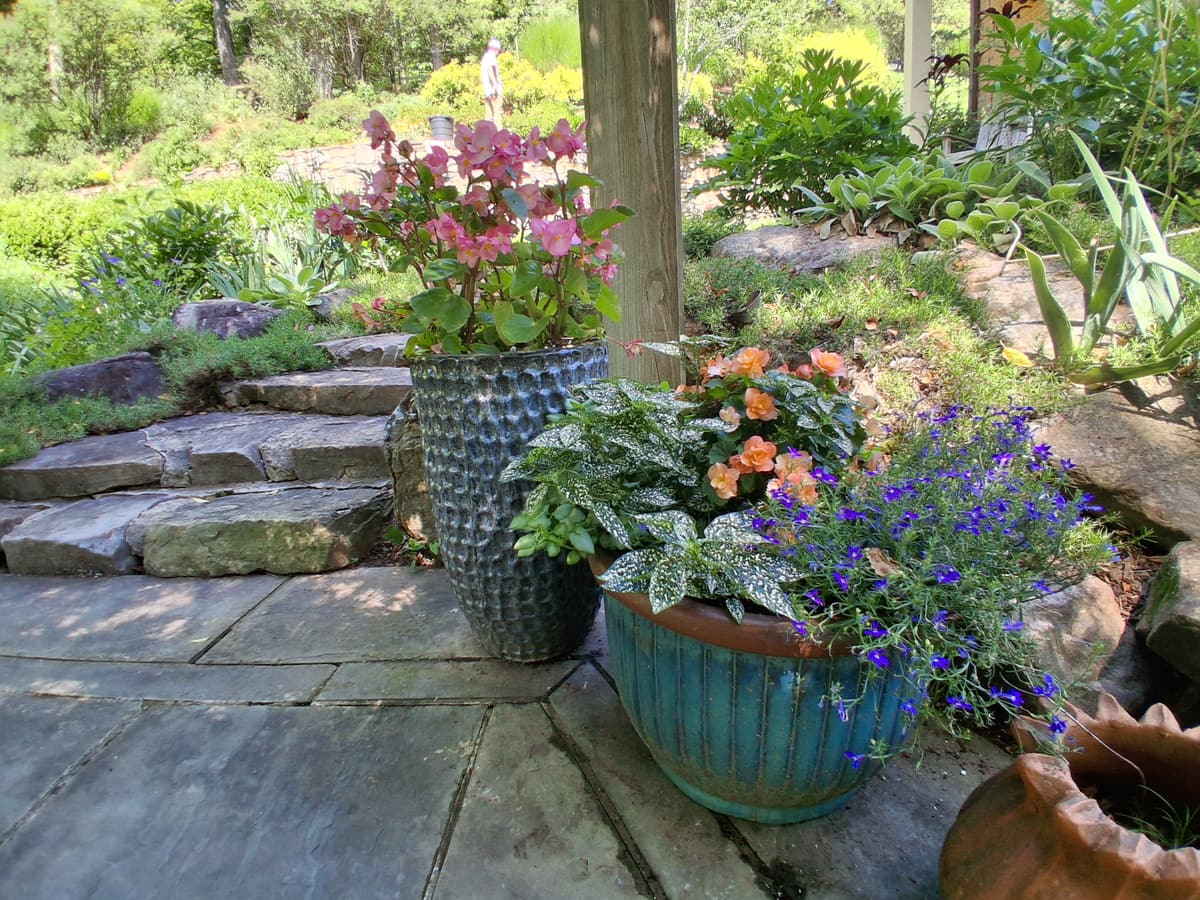
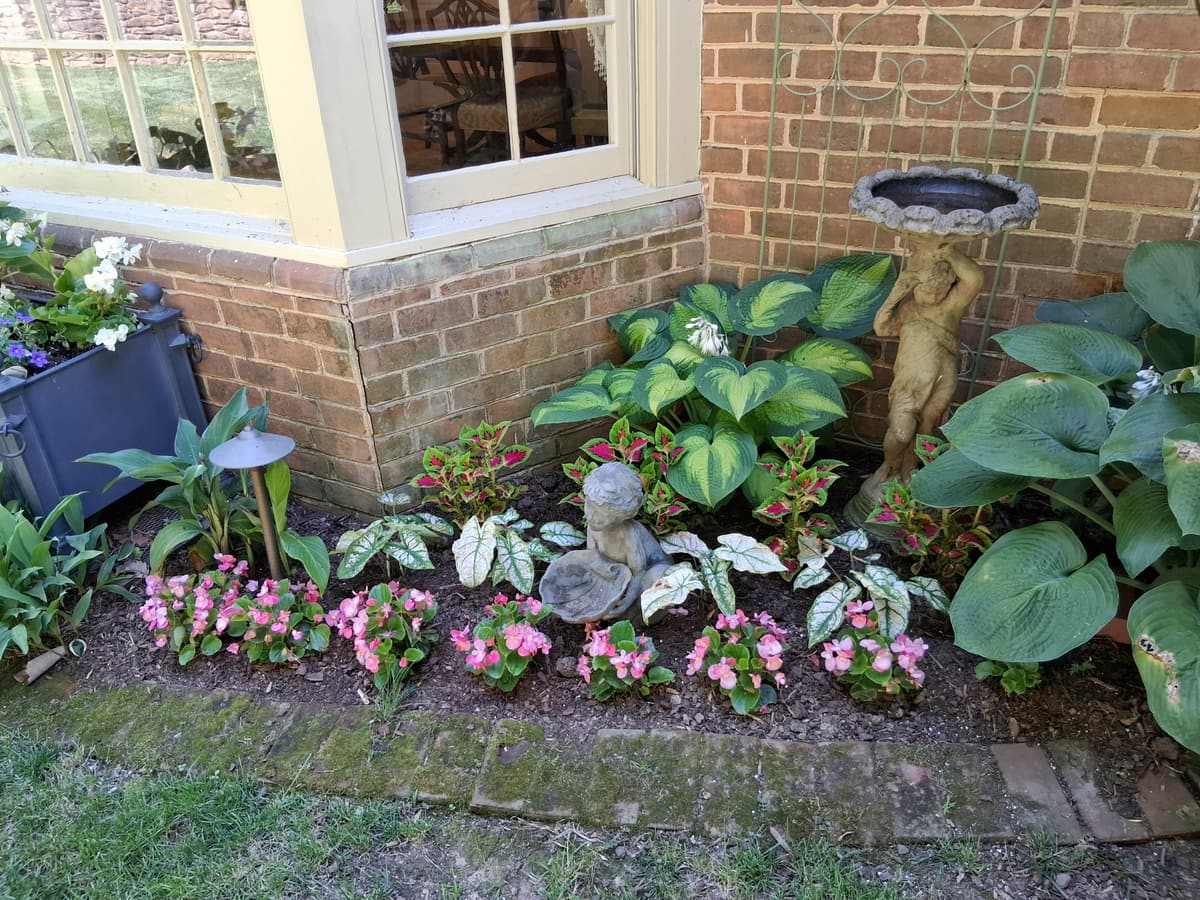
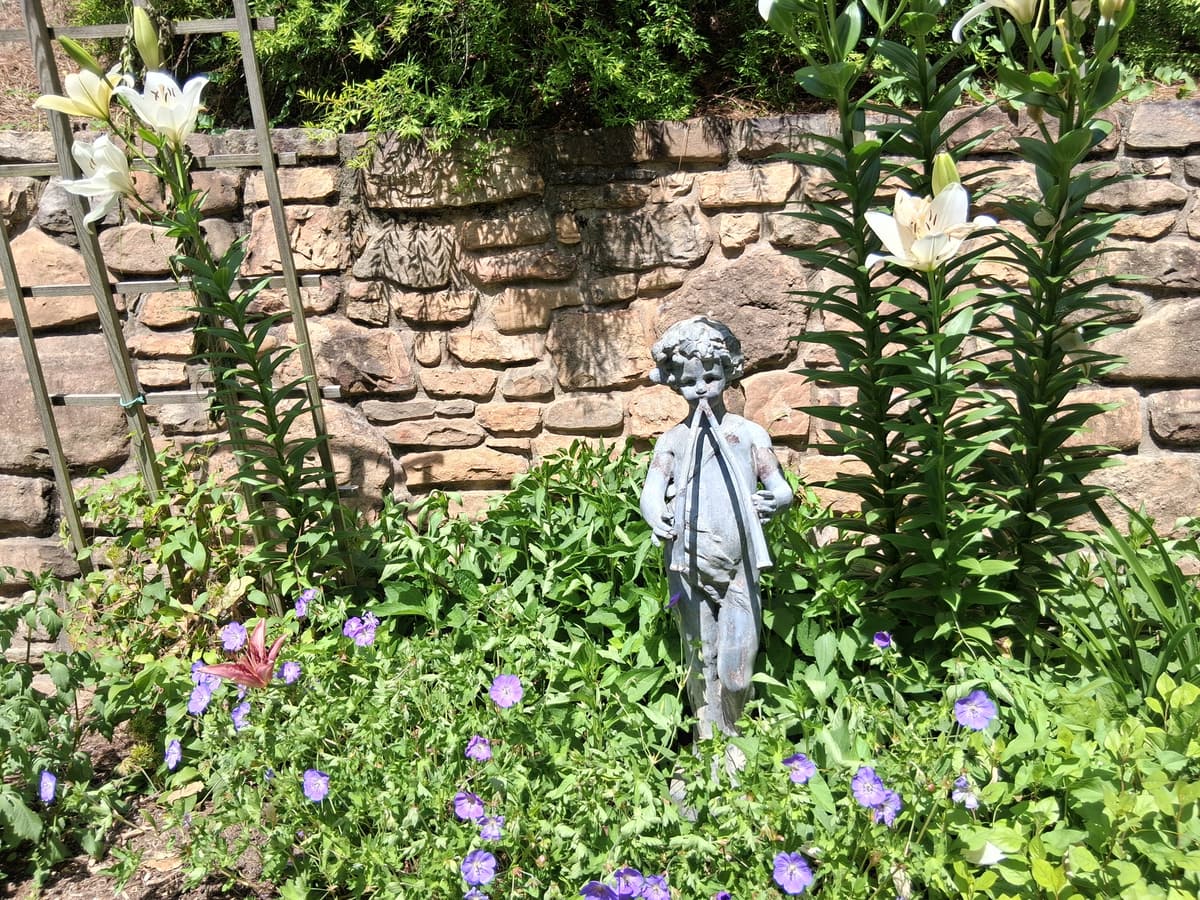
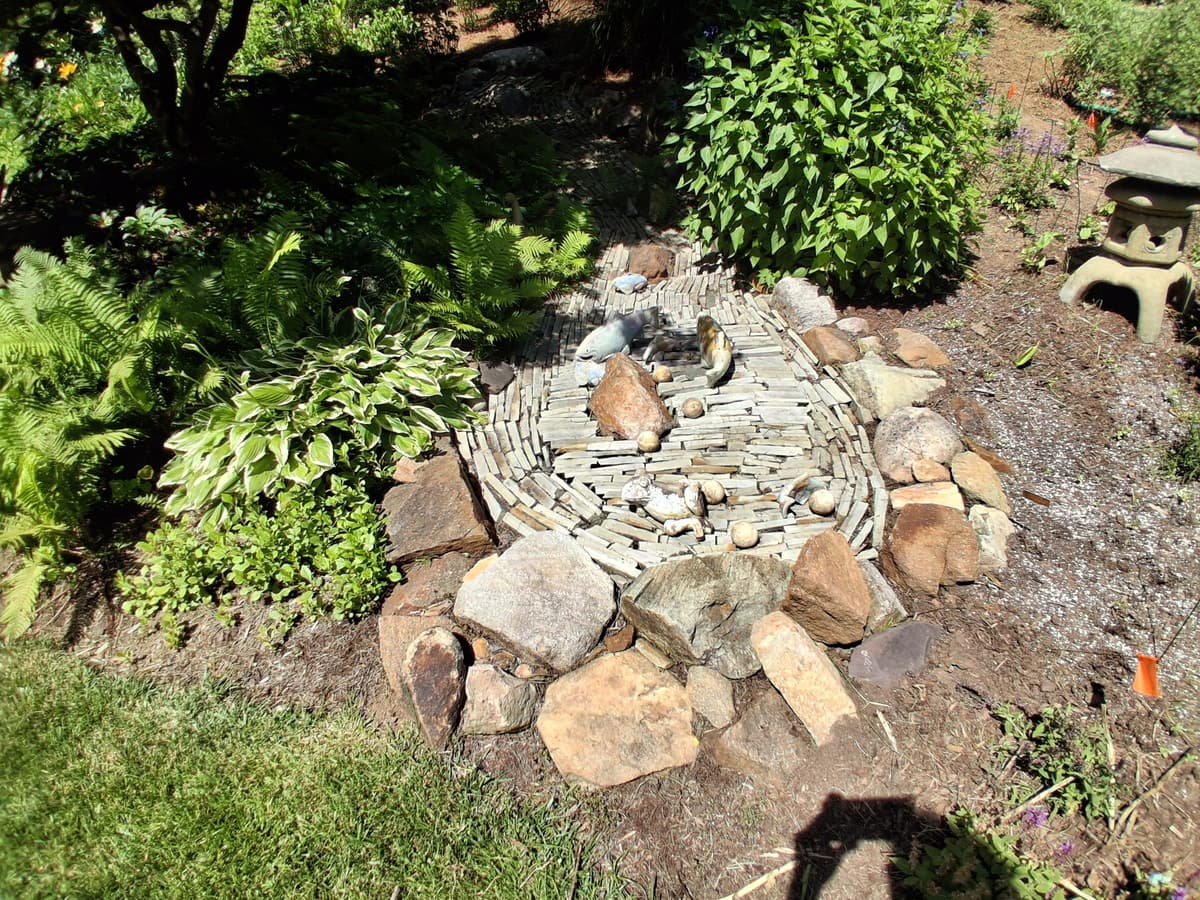
Wide shots show access and total bed area. Detail shots show weed pressure, plant density, edges, mulch condition, and the level of hand work needed.

Finished containers and stone path detail Window bed with hostas, annuals, and garden accents Stone wall planting detail with lilies and garden statue Stone water feature and surrounding planting bed

Property Tools

A private property hub for every landscape bed.

Submit photos once, then use your private link to track the estimate, property health, messages, review notes, and future service history.

Live Customer Actions Live
Submit a photo estimate
Upload photos Get AI-assisted scope Active
Start Photo Estimate
Check an estimate status
Use the saved estimate link View property health, messages, timeline, and review status
Open Status Page

After you submit photos, the confirmation screen gives you a private status link for that property. It becomes your record for follow-up, scheduling, and future bed maintenance.

Property Alerts Active

When photo analysis detects conditions that may need attention, an alert is generated for internal review so Michael can follow up with the right bed restoration recommendation.

Medium Landscape Maintenance Recommended
A recent photo estimate shows weed pressure exceeding maintenance thresholds. Restoration recommended within 30 days.
Recommended: Hand-weeding and bed detailing within 30 days.
Low Bed Definition Declining
Edge definition has softened since the last photo estimate. Shovel edging recommended to restore bed clarity.
Recommended: Shovel edging and edge cleanup.
Property Timeline Active

Photo estimates, alerts, and service events are logged internally so future bed restoration work can reference past conditions instead of starting from zero.

Service Requested
Tracked after customer approval
Alert Generated — Weed Pressure Exceeded
Tracked during estimate review
Photo Estimate Completed
Tracked when photos are submitted

Free estimate

Upload photos. We’ll tell you what it costs.

No site visit. No phone tag. Send clear photos of the beds and get a detailed, fixed-price proposal. You know exactly what the work costs before anything is scheduled.

1Your Info
2Photos
3Analysis
4Proposal
Yes
No
Yes
No
Unsure